
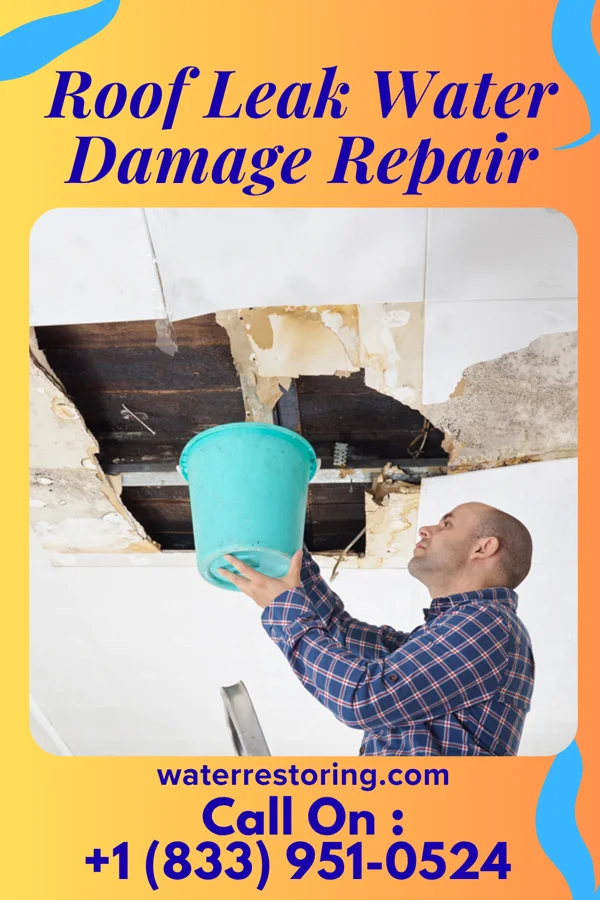
Roof Leaks & Insurance in New Oxford
New Oxford experiences frequent spring and summer thunderstorms, which can lead to sudden heavy rainfall and strong winds. These conditions often result in roof leaks, especially in older homes with asphalt shingle roofs. The region's unpredictable weather patterns mean that even a brief storm can cause significant water damage. is the trigger behind most roof leak water damage repair claims in New Oxford. A close second is In the fall, New Oxford is prone to heavy dew and fog, which can lead to prolonged moisture exposure on roofing materials. This can weaken the roof structure over time and create conditions for leaks. Winter snowmelt can also contribute to water infiltration, particularly in areas with poor drainage.. Most homeowner insurance policies cover sudden, accidental water damage. What separates a clean claim from a stuck one is fast professional response with documentation an adjuster can actually use.
New Oxford's climate, characterized by humid summers and cold winters, creates ideal conditions for moisture buildup and mold growth. This can lead to significant interior water damage and long-term structural issues if not addressed promptly.
Most roof leak water damage repair calls in New Oxford come from New Oxford experiences frequent spring and summer thunderstorms, which can lead to sudden heavy rainfall and strong winds. These conditions often result in roof leaks, especially in older homes with asphalt shingle roofs. The region's unpredictable weather patterns mean that even a brief storm can cause significant water damage.. Running a close second is In the fall, New Oxford is prone to heavy dew and fog, which can lead to prolonged moisture exposure on roofing materials. This can weaken the roof structure over time and create conditions for leaks. Winter snowmelt can also contribute to water infiltration, particularly in areas with poor drainage.. Local mold risk: Mold can begin to grow within 48 hours of water exposure in New Oxford, which is particularly concerning given the region's high humidity levels. This can lead to costly secondary damage, including wood rot and compromised insulation.
For public guidance on the health effects of mold after prolonged water exposure, see the EPA mold and health page.